

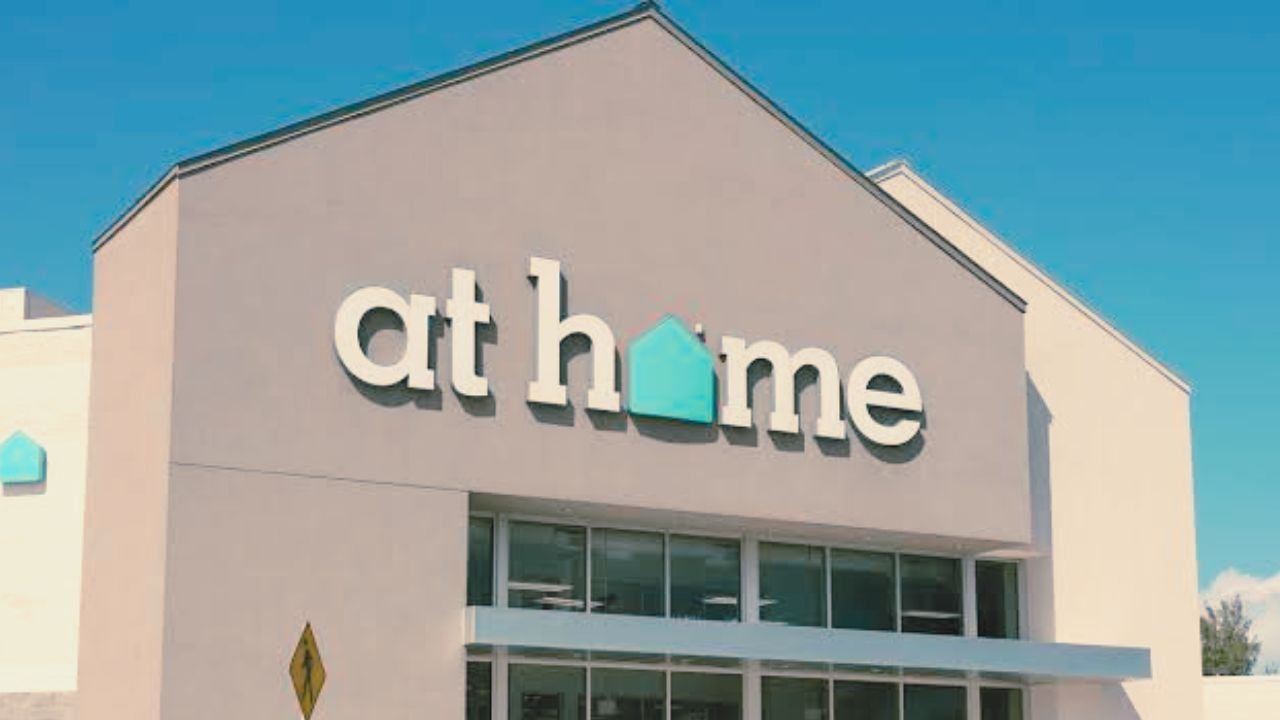
At Home filed for Chapter 11 bankruptcy in June 2025, and the headlines about store closures have created a lot of confusion. Many shoppers and business observers assumed the worst — that the entire chain was shutting down. The reality is more specific than that.
This article covers what actually happened, how many stores are closing, what drove the company into bankruptcy, and what At Home looks like on the other side of restructuring.
At Home Is Not Closing Entirely — Here Is What Is Actually Happening
The short answer is no — At Home is not going out of business entirely. The company filed for Chapter 11 bankruptcy in mid-June 2025 in the U.S. Bankruptcy Court for the District of Delaware, but that is not the same as shutting down.
Chapter 11 is a reorganization process. The company keeps operating while it restructures its debts and cuts costs. Chapter 7 is the version that means a full shutdown and liquidation — and that is not what At Home filed for.
The bankruptcy court approved At Home’s reorganization plan, which allows the company to emerge from bankruptcy with most of its locations still open. At the time of filing, At Home operated roughly 220 to 260 stores. The vast majority of those remain open and running as normal.
So if you have a local At Home near you and you haven’t seen any closure signs, there’s a good chance it’s still operating.
How Many At Home Stores Are Closing and Where
The specific number of closing stores has shifted slightly across different reports, which has added to the confusion. Early court filings listed 26 stores. Later updates raised that number to somewhere between 29 and 31 locations, including six non-operational sites that were already closed before the bankruptcy filing.
According to Yahoo Finance, 31 of more than 220 At Home locations are slated to close. That’s roughly 12 to 14 percent of the chain — a meaningful cut, but not a collapse.
The target date for completing most closures is September 30, 2025. Some stores have already shut down, and others are running going-out-of-business sales with discounts up to 30 percent on merchandise, fixtures, and equipment.
Where Are the Closures Concentrated?
California has the highest number of closures, with eight locations affected. Other states with closures include New York, Texas, and a spread of other markets across the country.
If you’re wondering about your specific store, the most reliable options are:
- Check At Home’s website store locator directly
- Look for liquidation sale signage at the location
- Review media-published closure lists from outlets like Good Housekeeping or Newsweek
The variation in numbers you’ll see across reports — 26, 29, 30, 31 — reflects updated court filings over time and the inclusion of sites that were already non-operational. It does not mean the closures are rapidly expanding beyond original plans.
What Pushed At Home Into Bankruptcy
No single event caused the filing. It was a combination of factors building up over several years.
The Private Equity Debt Load
About four years before the filing, At Home was taken private by private equity firm Hellman & Friedman. That leveraged buyout left the company carrying approximately $2 billion in debt. That’s a heavy burden for any retailer, especially when conditions shift.
Rising Interest Rates
As interest rates climbed significantly from 2022 onward, the cost of servicing that $2 billion debt became increasingly difficult to manage. What looked manageable at low rates became a serious problem at higher ones.
Inflation, Tariffs, and Shrinking Margins
On top of interest costs, the company was also dealing with inflation and rising tariff and customs costs. Home goods retailers import a significant amount of product, so tariff increases hit margins directly. USA TODAY’s reporting highlighted these macro pressures as contributing factors.
The Breaking Point
By May 2025, At Home had missed a scheduled interest payment on May 15 and entered a forbearance agreement with its creditors. At that point, the company had only about $17.3 million in available liquidity — not enough to sustain operations without a restructuring. Chapter 11 became the logical path forward.
What At Home Looks Like After Restructuring
The court-approved reorganization plan makes some significant changes to how the company is structured financially.
The Debt Is Largely Wiped Out
The approximately $2 billion in debt that caused the crisis is essentially eliminated through the restructuring. That dramatically improves the company’s financial position going forward.
New Financing Is in Place
At Home has secured a new $500 million asset-based loan to fund ongoing operations. This replaces the old debt structure with something more manageable for a company of its size and revenue.
New Owners Take Over
Hellman & Friedman’s ownership stake is effectively replaced. Under the reorganization plan, At Home’s lenders — including groups like Redwood Capital, Farallon, and Anchorage — become the new owners. The company emerges as a lender-controlled business with a cleaner balance sheet and no private equity overhang.
Business of Home confirmed that the court approved this plan and that At Home is expected to emerge from bankruptcy with about 30 fewer stores but no announced plans for additional closures beyond the current list.
What This Means for Customers
If you shop at a store that is not on the closure list, operations continue as normal. The company’s restructuring is designed to keep the majority of locations running without disruption to regular customers.
If you’re near a closing store, here’s what to keep in mind:
- Going-out-of-business sales offer discounts up to 30 percent, including on store fixtures
- Return policies at closing locations may differ from standard store policy — check before you buy
- Liquidation sales are typically all-sales-final once the process starts
- Gift cards and loyalty rewards: policies may change during restructuring, so verify current terms directly with At Home before using them
For big-ticket purchases at non-closing stores, the company’s reorganization plan gives it a more stable financial footing, but it’s reasonable to check return and warranty policies before buying anything significant.
A Useful Way to Think About Chapter 11
Think of Chapter 11 bankruptcy less like a business dying and more like a building going through a major structural renovation. Some sections get closed off or removed — in this case, roughly 30 stores. The underlying problems, like a debt load that doesn’t match the building’s value, get fixed. And the building stays standing and in use throughout the process.
Plenty of recognizable companies have gone through Chapter 11 and come out the other side as functioning businesses. The process exists specifically to give viable companies a path to fix their balance sheets without disappearing.
At Home had a real business with hundreds of locations and consistent customer traffic. Its problem was structural debt from the leveraged buyout, not a fundamental lack of demand for what it sells.
The Bigger Picture for Retail Businesses
At Home’s situation is not unique in the current retail environment. Several home goods and big-box chains have faced similar pressures from the same combination: private equity debt, rising rates, tariffs, and inflation squeezing margins.
For anyone running or analyzing a retail business, the At Home case is a clean illustration of how a company with a functioning operation can still end up in bankruptcy court — not because customers stopped shopping, but because the financial structure built on top of the business became unsustainable.
If you’re thinking through business planning and financial structure for your own operation, Everyday Business Plan offers practical resources for building a business on a foundation that doesn’t create these kinds of structural risks.
The Bottom Line
At Home is not going out of business. It filed for Chapter 11 bankruptcy in June 2025 to restructure roughly $2 billion in debt accumulated after a private equity buyout. The reorganization plan has been court-approved.
Approximately 30 to 31 stores are closing by September 30, 2025, with California seeing the most closures. The remaining locations — the majority of the chain — continue to operate normally.
The company emerges from bankruptcy with its debt largely eliminated, new financing in place, and new ownership from its lender group. Whether it thrives long-term will depend on how it manages the leaner business going forward. But as of now, it is not shutting down — it is restructuring.
If you’re trying to find out whether your specific store is closing, check At Home’s official website or look for liquidation signage at the location directly.
Also Read: