

If you’ve been searching this question, you’ve probably seen forum threads and scattered comments suggesting something is wrong with Musician’s Friend. Most of that concern traces back to Guitar Center’s bankruptcy headlines — and the assumption that Musician’s Friend went down with it.
That assumption is worth checking with actual data. Here’s a clear breakdown of who Musician’s Friend is, what its current status looks like, and how to make smart buying decisions based on facts rather than forum speculation.
What Musician’s Friend Is and Who Owns It
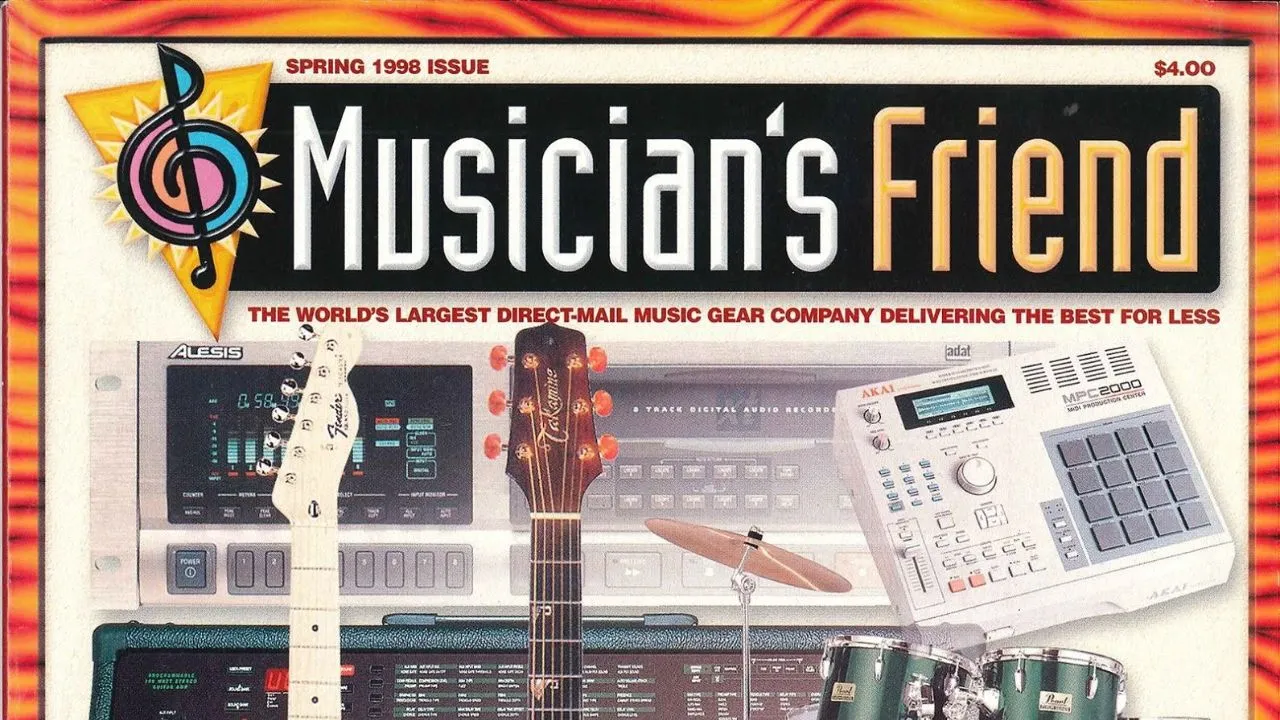
Musician’s Friend was founded in 1983 as a catalog and direct-response retailer of musical instruments. Over time, it shifted from mail-order to online retail. Today it operates primarily as an e-commerce store, selling guitars, amps, keyboards, recording gear, and accessories to customers across the United States.
The company is headquartered in Westlake Village, California. According to ZoomInfo, it has approximately 333 employees and generates around $61 million in annual revenue — a mid-sized operation by most measures.
Guitar Center acquired Musician’s Friend in 1999 through a $33.5 million stock deal, as reported by the LA Times at the time. They share a corporate parent, but they operate as separate brands with their own websites, customer service teams, and operations. Musician’s Friend has no physical retail storefronts — it runs entirely online and through catalog sales. That gives it a very different cost structure compared to Guitar Center’s 300-plus physical locations.
Where the “Going Out of Business” Rumors Come From
The confusion is understandable once you trace it back to its source. Guitar Center has been through serious financial turbulence, including debt restructuring and formal bankruptcy proceedings. Those events generated significant media coverage and sparked hundreds of forum discussions across music communities.
Because Musician’s Friend is owned by Guitar Center’s parent company, many customers connect the two. Someone reads a thread titled “GC bankruptcy is official,” knows that Musician’s Friend is connected to Guitar Center, and concludes that MF must be closing too. That’s a logical-sounding leap — but it doesn’t hold up when you look at the actual corporate structure.
A parent company going through restructuring does not automatically mean every subsidiary brand shuts down. Brands are often preserved, sold, or spun off during restructuring precisely because they still generate value. The Rig-Talk forum, for example, has active threads about Guitar Center’s bankruptcy that include Musician’s Friend contact information — suggesting users were still reaching out to MF as a functioning business even during the height of GC’s financial news.
Current Signs That Musician’s Friend Is Still Operating
Rather than relying on forum opinions, there are several concrete, checkable indicators that Musician’s Friend is actively running its business right now.
Active Website With Current Offerings
The Musician’s Friend website is live and functional, with updated product listings, active promotions, and working customer service contact information. It also maintains a dedicated MF Pro page for business and institutional buyers — a service-specific section that wouldn’t exist if the company were winding down.
BBB Accreditation
The Better Business Bureau lists Musician’s Friend, Inc. as an accredited business with a current address, multiple phone numbers, and ongoing customer interactions. BBB profiles go inactive or get flagged when businesses stop responding. That hasn’t happened here.
Recent Customer Reviews
Trustpilot shows Musician’s Friend with an overall rating of around 4.1, based on a mix of recent reviews — some positive, some critical. Complaints tend to focus on shipping timelines and return experiences, which are standard retail friction points. What the review volume tells you is that people are still placing orders and receiving (or attempting to return) products. That’s not the pattern of a company winding down.
Active Service Policies
Musician’s Friend maintains a 45-day return program and free shipping policy. A retailer preparing to close doesn’t invest in promoting active service commitments. These policies signal ongoing operational investment, not exit planning.
What the Financial Data Shows
Surface-level observations are useful, but credit and financial data tells a cleaner story.
A credit profile analysis from Martini.ai found no evidence of bankruptcy filings, defaults, or significant credit risk events for Musician’s Friend. The company’s credit spread has been tightening — which, in plain terms, means lenders and financial markets currently see the risk associated with the company as improving rather than worsening.
Think of it this way: a tightening credit spread is similar to a borrower’s credit score going up. It doesn’t guarantee future stability, but it signals that the people tracking financial risk see the company in a relatively healthy position right now. Martini.ai places Musician’s Friend’s risk profile in the top 94th percentile of bond universe credit quality — a strong standing compared to most companies in the broader market.
To be clear, credit analysis reflects current data, not a promise about future corporate decisions. But based on available financial signals, there is nothing pointing toward insolvency or closure.
How to Tell if Any Retailer Is Actually Failing
This question comes up with Musician’s Friend, but the same logic applies to any retailer you’re considering for a major purchase. Here are the real signs to look for — not forum rumors.
Bankruptcy Filings
Actual bankruptcy filings are public record. You can search the federal PACER court system or look for announcements from credible business outlets like Bloomberg or major newspapers. If a company has filed, that news will appear in legitimate sources, not just forum threads.
Website and Fulfillment Problems
When retailers start failing, you typically see warning signs: product listings disappear, customer service goes silent, orders don’t ship, and refunds become difficult to process. None of those patterns are currently visible with Musician’s Friend.
Credit Downgrades and Lender Concerns
Widening credit spreads, credit rating downgrades, or public statements from lenders are meaningful signals. As noted above, Musician’s Friend is currently showing the opposite trend.
Official Announcements
Companies going out of business typically issue press releases, notify customers, and wind down public-facing operations in visible ways. No such announcements have come from Musician’s Friend.
If you’re ever unsure about a retailer before a big purchase, run through this checklist rather than relying on what someone posted in a gear forum.
Practical Advice for Customers Buying from Musician’s Friend
Even if a retailer appears financially stable, smart purchasing habits still matter — especially for expensive gear.
Use a credit card with strong buyer protection. If a company ever did close unexpectedly after you placed an order, a credit card dispute is your fastest route to a refund. Debit cards and financing arrangements offer less protection in that scenario.
Keep documentation. Save order confirmations, warranty paperwork, and return policy screenshots. This applies to any online retailer, not just Musician’s Friend.
Watch for fulfillment problems before ordering. Before placing a large order with any retailer, check recent reviews for patterns of delayed shipping, non-responsive service, or unfulfilled orders. Current Musician’s Friend reviews show normal retail complaints, not systemic fulfillment failures.
For business owners and music educators making institutional purchases, Musician’s Friend’s MF Pro program offers dedicated support and pricing structures. That type of B2B service investment is another indicator of a company focused on growth, not an exit.
If you want a broader framework for evaluating retail suppliers and vendors as part of your business planning, Everyday Business Plan covers practical business decision-making across a range of topics.
The Bigger Picture: Online Retail vs. Brick-and-Mortar Risk
It’s worth understanding why Musician’s Friend and Guitar Center face different risk profiles even though they share a parent company. Guitar Center operates hundreds of physical locations. That means leases, in-store staff, and significant fixed overhead — costs that become very difficult to manage during economic downturns or shifts in consumer behavior.
Musician’s Friend runs as an online and catalog retailer with no storefront costs. Its model has actually aligned well with the broader shift toward e-commerce purchasing. That doesn’t make it immune to corporate-level strategic decisions, but it does mean the business faces a fundamentally different set of pressures than a large physical chain.
Bottom Line
Based on available evidence, Musician’s Friend is not going out of business. The website is active, the BBB listing is current, recent customer reviews confirm ongoing transactions, and the company’s credit profile shows no signs of financial distress. The rumors primarily stem from confusion between Guitar Center’s past restructuring and Musician’s Friend’s own operational status.
Could things change in the future due to corporate strategy decisions? That’s always possible with any subsidiary brand. But right now, the indicators point to a functioning business, not one in decline.
If you’re buying a $2,000 guitar or a full studio setup, use basic buyer-protection habits as you would with any major purchase. And rely on verifiable data — court records, credit reports, BBB listings, and fulfillment reviews — rather than forum threads when you’re trying to assess whether a retailer is safe to buy from.
Also Read: