

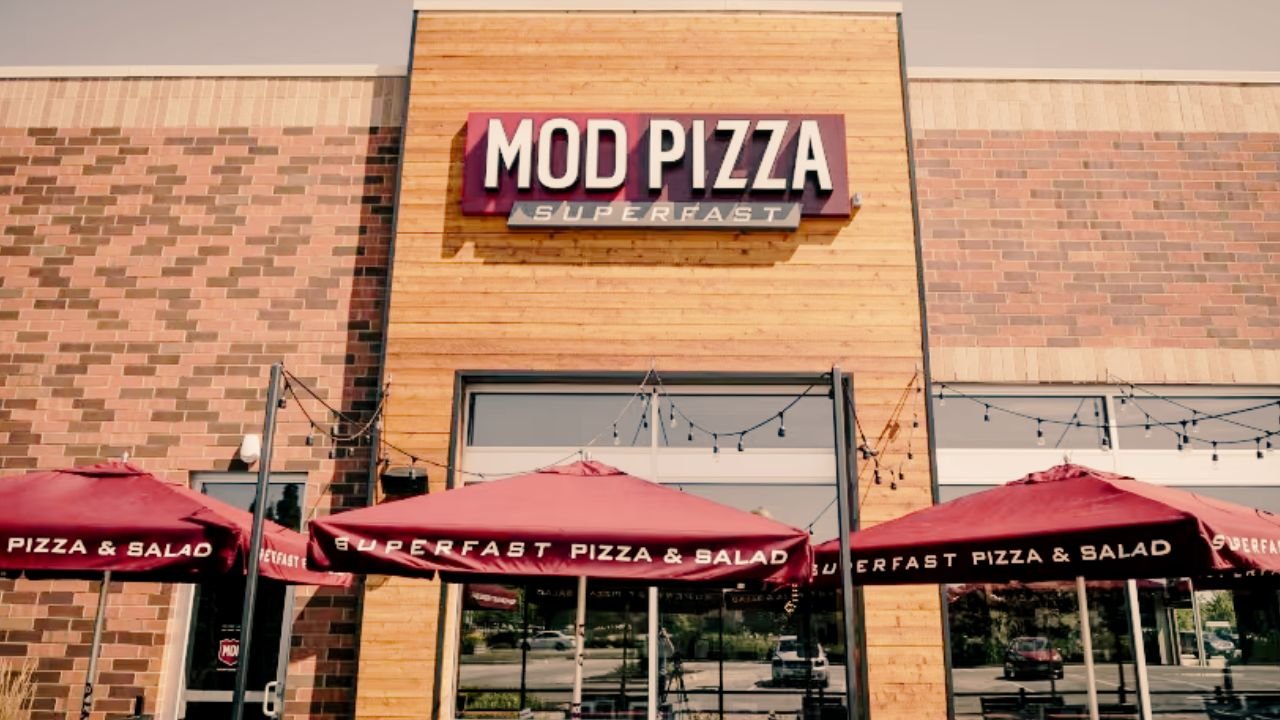
MOD Pizza closed dozens of locations in 2024, sparked bankruptcy rumors, and sold itself to a new owner — all within a few months. If your local store shut down or you’ve seen the headlines, it’s a fair question to ask: is MOD Pizza finished?
Here’s a clear breakdown of what actually happened, why it happened, and what the future looks like for the chain.
MOD Pizza Is Not Closed — But It Is in Serious Financial Trouble
Let’s start with the direct answer: MOD Pizza is still operating. As of the end of 2024, 482 U.S. locations remained open. The chain has not gone out of business.
That said, the situation is not good. MOD was preparing for a possible Chapter 11 bankruptcy filing in mid-2024. The company publicly stated it was “actively working toward strategic alternatives” to avoid that outcome.
On July 10, 2024, MOD announced it had reached a deal to sell itself to Elite Restaurant Group. The sale was framed as a way to restructure its finances and steer clear of bankruptcy court.
There’s an important distinction here. Closing locations and changing ownership is not the same as shutting down entirely. MOD is smaller and under new ownership — but it is still in business.
Why MOD Pizza Closed So Many Locations in 2024
Understanding why stores closed requires looking at a few separate problems that stacked up over time.
Overexpansion
MOD grew fast — very fast. At its peak, it had over 500 locations across 28 states and the UK. Rapid growth sounds like success, but it often means opening stores in markets that can’t support them long-term.
When a chain expands faster than its profits, weak locations pile up. Those underperforming stores become a serious problem the moment anything goes wrong.
COVID-19 and What Came After
The pandemic hit MOD’s traffic and sales hard. Many restaurant chains recovered in 2022 and 2023 — but MOD never fully bounced back. Rising interest costs and inflation added more pressure on top of that.
MOD CEO Scott Warner cited overexpansion, COVID-19 effects, and shifting market conditions as the core reasons the chain needed to restructure.
The 2024 Closure Wave
The closures came in waves throughout 2024:
- 27 locations closed abruptly in April 2024 across multiple states.
- By mid-year, 44 total locations had shut down.
- Franchise disclosure documents filed in June 2025 show 70 restaurants closed in 2024 in total.
That’s a significant reduction for a chain that was already struggling.
The California Situation
Five MOD locations in California closed just before the state’s new $20/hour fast-food minimum wage took effect. Some coverage linked those closures directly to the wage law.
MOD pushed back on that framing. The company told PMQ Pizza Magazine that the stores closed due to underperformance, and that the timing with the wage increase was coincidental — though rising labor costs were one factor among many.
This is a good example of how closure decisions are rarely caused by one single thing.
Full Market Exits
In some cases, MOD didn’t just close one store — it pulled out of entire markets. Myrtle Beach is a clear example. MOD closed all three of its locations there (North Myrtle Beach, South Myrtle Beach, and Carolina Forest) after roughly a decade, saying it could no longer maintain profitability in that market.
This pattern — pulling out of entire regions rather than trimming one store at a time — shows how seriously the chain was cutting costs.
What the Sale to Elite Restaurant Group Actually Means
Elite Restaurant Group is a California-based company. Restaurant Business describes it as a “collector of financially troubled restaurant brands.” In other words, buying struggling chains and attempting turnarounds is their business model.
The deal closed on July 10, 2024. An Elite affiliate merged with MOD, giving Elite full ownership of the brand. MOD’s leadership described the deal as a necessary step to restructure debt and address the damage caused by years of overexpansion.
The financial terms of the deal were not fully disclosed publicly, and Elite has limited public information available about its operations.
Here’s what the sale does not guarantee: new ownership doesn’t automatically protect every remaining location. It doesn’t mean MOD will fully recover. It means the chain now has a new owner who specializes in exactly this kind of situation — which is better than the alternative of a bankruptcy filing, but it’s not a clean resolution.
Chapter 11 Bankruptcy — What It Would Have Meant and Why the Risk Isn’t Fully Gone
There’s been a lot of confusion about the word “bankruptcy” in MOD’s coverage. It’s worth clearing up.
Chapter 11 is reorganization, not liquidation. If MOD had filed for Chapter 11, it would have allowed the chain to restructure its debt while continuing to operate. It would not have meant an immediate shutdown of all stores.
Bloomberg reported in mid-2024 that MOD was preparing for a potential Chapter 11 filing and could seek court protection as early as that week. MOD’s own statement confirmed it was exploring options to avoid that outcome — and the Elite sale was the result.
But the risk hasn’t disappeared. Turnaround acquisitions don’t always work. If Elite’s restructuring efforts fall short, a future Chapter 11 filing — or something worse — is still possible. That’s not a prediction, just an honest reading of where things stand.
How MOD’s Struggles Fit the Bigger Picture
MOD isn’t the only chain going through this. The fast-casual restaurant sector has seen a wave of financial distress in recent years. Inflation pushed up food and labor costs. Post-pandemic demand shifted in ways that hurt some chains more than others. Competition from delivery platforms and other fast-casual pizza concepts increased.
MOD’s situation is more severe than most, but the pressures it faces are not unique. Elite’s acquisition approach — buying distressed restaurant brands — reflects a broader trend of consolidation in the industry. Troubled chains are being absorbed rather than simply allowed to collapse.
If you’re thinking about how business decisions get made during financial stress, Everyday Business Plan covers practical planning strategies that apply in exactly these kinds of situations.
What to Watch Going Forward
If you want to track whether MOD Pizza is actually recovering or heading toward more trouble, here are the specific signals worth watching.
Net Store Count
Are new locations opening, or is the total still shrinking? A chain in recovery typically stabilizes its location count before it starts growing again. More closures with no new openings would be a warning sign.
New Announcements from Elite
Watch for any news of debt restructuring, capital investment, or new agreements announced by Elite or MOD. These would signal that the financial side of the turnaround is progressing.
Menu or Loyalty Program Changes
New ownership often evaluates what’s working and what isn’t. Changes to pricing, menu offerings, or the rewards program can be early indicators of the direction Elite wants to take the brand.
Additional Closures
A few more closures wouldn’t be surprising as Elite cuts underperforming units. But a second large wave of closures — especially without explanation — would suggest the restructuring isn’t working.
The Bottom Line
MOD Pizza is not going out of business right now. It has 482 U.S. locations still open and new ownership in place. But it is a chain under real financial pressure, with 70 stores closed in 2024 alone and a sale that only happened because the alternative was bankruptcy.
The honest answer is that MOD’s future is uncertain. The Elite acquisition gives it a path forward — but turnarounds in the restaurant industry are hard, and nothing is guaranteed. Watch the store count, watch the announcements, and treat any local closure news as data about how the restructuring is actually going.
For now, MOD Pizza is still operating. Whether it stabilizes or continues to shrink depends on decisions being made right now that aren’t yet public.